Home/What We Do

What We Do

Conservation that connects people and place.

Our operations are anchored around four core strategic pillars that directly confront Zambia’s most critical ecological and socio-economic challenges.

4
Pillars
Targeted conservation intervention focus areas
1M+
Citizens
Reached through campaigns & education
70+
Years
Continuous biodiversity safeguarding
100%
Community First
Local stakeholder engagement model
SECTION 01Terrestrial Habitats

Forests & Wildlife Conservation

Zambia is endowed with extraordinary miombo woodlands, expansive wetlands, and iconic wildlife. However, agricultural encroachment, charcoal production, and illegal hunting threaten these ecosystems. WECZ partners with traditional leaders, local community forest groups, and government wildlife authorities to implement participatory forest management and restore biodiversity corridors.

Establishment and support of community-managed forest reserves and indigenous tree nurseries.
Mitigating human-wildlife conflict along national park peripheries through rapid-reporting networks.
Promoting nature-positive livelihoods including high-yield apiculture (beekeeping) and clean energy alternatives.
SECTION 02Clean Communities

Waste Management & Circular Economy

Indiscriminate plastic pollution, uncollected municipal solid waste, and toxic runoff threaten groundwater reservoirs and public health across Zambia. WECZ leads innovative civic initiatives that turn waste into an opportunity for environmental education, circular resource recovery, and civic responsibility.

Nationwide urban and rural clean-up campaigns bringing together schools, markets, and municipal councils.
Youth-led plastic recovery competitions transforming discarded plastics into useful eco-materials and crafts.
Constructive lobbying for national extended producer responsibility (EPR) and bans on single-use plastics.
SECTION 03Watershed Security

Water & Climate Resilience

Changing precipitation patterns, prolonged droughts, and flash floods are severely impacting agricultural yields and energy generation across the country. WECZ develops grassroots climate adaptation models centered on highland watershed conservation and catchment protection.

Safeguarding vital headwaters and riparian buffer zones in critical catchment areas such as the Mafinga Hills.
Mobilizing hundreds of Unite 4 Climate youth ambassadors to advocate for climate justice and resilient techniques.
Empowering smallholder farming communities with rainwater harvesting and soil conservation best practices.
SECTION 04Policy & Future Generations

Policy Advocacy & Environmental Education

Lasting conservation requires sound statutory governance and an environmentally literate citizenry. For more than seven decades, WECZ has played a vanguard role in advising the Zambian Government on landmark environmental legislation while instilling conservation ethics in school-age children.

Coordinating over 1,000 Chongololo and Chipembele environmental clubs in primary and secondary schools.
Publishing informative environmental magazines, curriculum guides, and radio programming in regional languages.
Providing formal expert submissions to parliamentary committees on wildlife, water, and environmental bills.
Conservation Alliances

Collaborating with trusted partners

Our programs are strengthened through strategic collaboration with leading conservation funds, trusts, and global environmental bodies.

Critical Ecosystem Partnership Fund
Critical Ecosystem Partnership FundGlobal Biodiversity Grant
Elephant Charge
Elephant ChargeConservation Support Trust
Land Life Company
Land Life CompanyReforestation & Technology
World Wide Fund for Nature (WWF)
World Wide Fund for Nature (WWF)Global Conservation Coalition
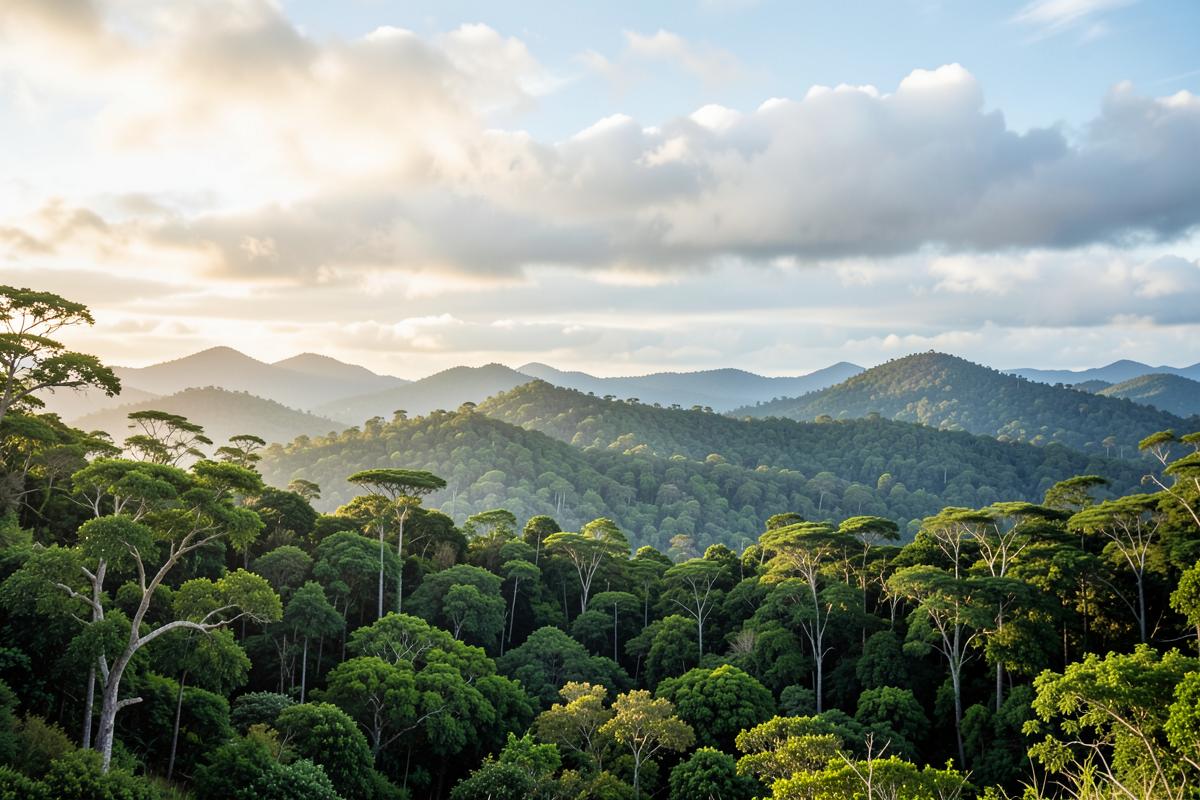
Conserved Zambian montane landscape
Join the Society

Conservation is a shared responsibility.

Support locally led conservation, youth environmental education, and policy advocacy across Zambia by becoming an active member or partner.