
A technological approach to native tree planting and restoration
Innovative biodegradable seedling cocoons and satellite-assisted tracking are accelerating indigenous reforestation across vulnerable Zambian catchments.
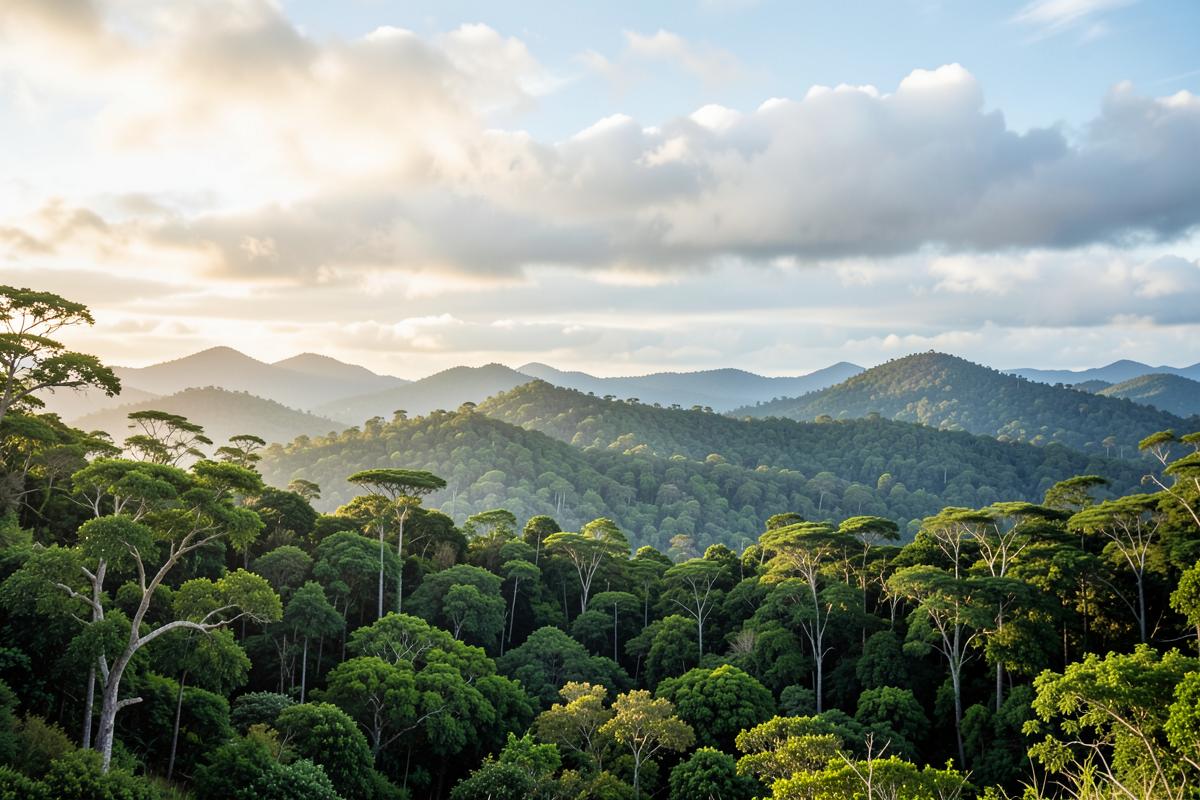
Reforesting Zambia with Precision Technology
Across Zambia's southern and eastern catchments, rapid land conversion and unsustainable charcoal harvesting have fragmented native Miombo woodlands. In response, the Wildlife and Environmental Conservation Society of Zambia (WECZ) has rolled out an innovative native reforestation program utilizing biodegradable seedling incubators.
These specialised water-retaining cocoons shield young saplings through the intense dry seasons, boosting initial sapling survival rates from an average of 35% to over 85% during their critical first two years.
Community Rangers and GIS Mapping
Restoration is not simply about putting trees in the ground; it is about long-term stewardship. Each restoration cluster is mapped using mobile GIS applications operated by trained community scout teams.
- **Over 45,000 indigenous trees** planted across five degraded river sub-basins.
- **Water catchment protection** directly safeguarding municipal downstream reservoirs.
- **Active local community ownership**, with 60% of seedling nursery managers being women farmers.
"By pairing scientific seedling protection with local tree nursery enterprises, we create economic incentives for forest survival while restoring our vital headwaters." — WECZ Conservation Director
Looking Ahead
As climate variability intensifies across southern Africa, WECZ plans to expand this precision restoration methodology into three additional provincial landscapes before the next rainy season.
Help fund field conservation across Zambia
Every pledge enables school club materials, anti-poaching scout equipment, and reforestation supplies.